The home of
London Dry
43%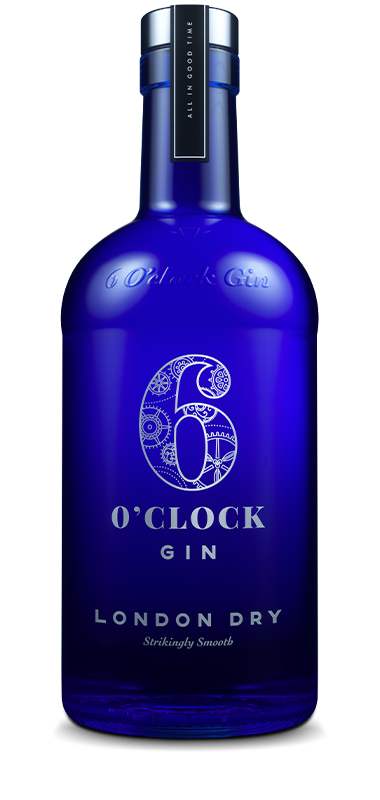
Strikingly smooth to taste and beautiful to behold in its iconic Bristol-blue glass bottle, our original, multi-award-winning 6 O’clock Gin was born in 2010, perfected from an old family gin recipe.
It has a soft and citrusy flavour, led by juniper, carefully balanced with coriander seed, angelica root, orris root, winter savory, elderflower and orange peel, all lovingly distilled for a deeply-delicious taste experience.
Brunel Edition
50%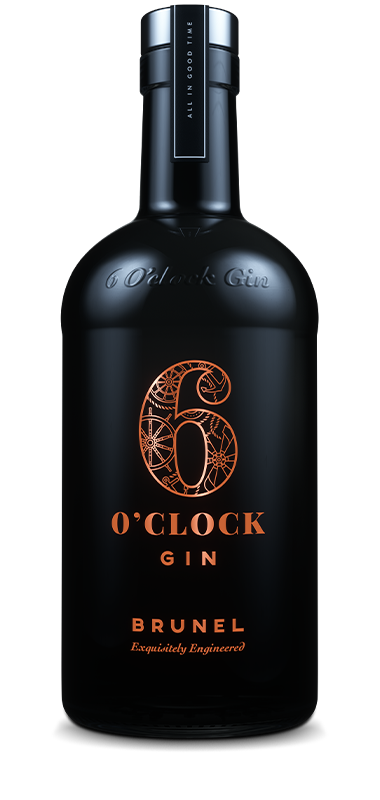
With a 50% ABV, this is the ‘export strength’ expression of our multi-award-winning, strikingly smooth London Dry Gin. A giant of a gin!
Exquisitely engineered for a more complex flavour profile, we’ve added extra juniper and introduced six new botanicals – green cardamom, nutmeg, cumin, cassia bark, cubeb pepper and lemon – for a bolder, richer flavour; an earthy sweetness combines with citrus freshness for a dry spicy finish.
Mango, Ginger & Lime
40%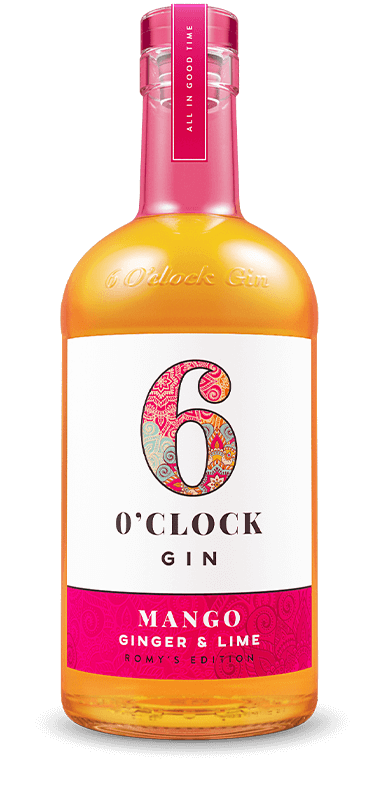
Romy’s Edition- Mango ginger and lime gin is a deliciously moreish gin packed with flavour. We worked closely with celebrated chef Romy Gill MBE to craft a gin that portrays the unique flavours of India, using herbs and spices commonly found in Indian cooking and infusing the gin with the juice from the native mango.
The recipe is inspired by the memoirs of Romy and strikes the perfect balance between rich fruity sweetness and reserved spice. Enjoy this delicious gin as a G&T over plenty of ices and garnished with a slice of fresh mango.
Damson Gin
40%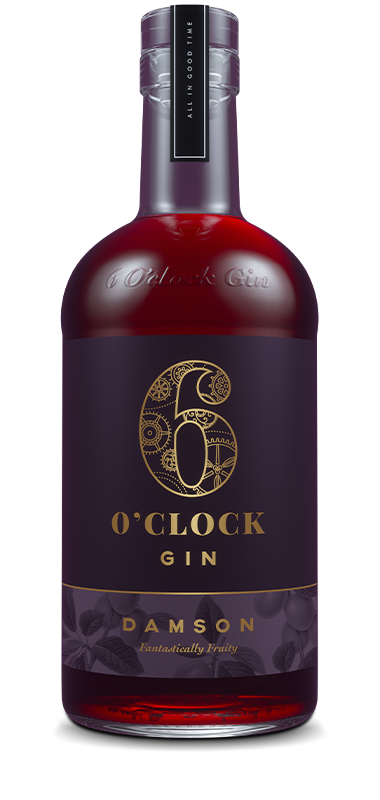
Fantastically fruity, our Damson Gin is definitely something special. Masses of luscious, hand-picked British damsons are left to steep for six months or more in our strikingly smooth London Dry Gin. We add sugar, but not too much, just enough to balance the natural tartness of the fruit.
Slowly matured, the resulting rich, ruby-red gin is velvety and smooth with an intense depth of flavour and fruity dryness; unlike many fruit gins, it delivers quite a kick – bottled with an alcohol content of 40%.
Sloe Gin
26%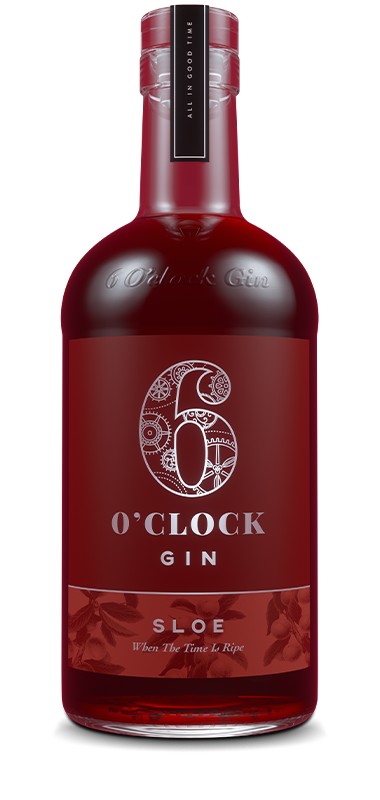
Generous quantities of hand-picked hedgerow sloes, combined with just the right amount of sugar, are added to our strikingly smooth London Dry Gin. Then it’s all left to soak slowly for at least six months – that’s more than twice as long as most other distillers.
The high ‘sloe to gin’ ratio combined with this lengthy maturation process achieves a smooth, intensely rich and fruity flavour that retains some of that just-picked tartness.
Aged Sloe Gin
25%
Artfully aged and marvellously mellow, this luscious Sloe Gin has a distinctive almond flavour. Five years in the making, it is a vintage gin like no other. A unique limited edition with only 1,000 bottles made.
Edward, our Master Distiller, has been crafting Sloe Gin for over 30 years. He’s a patient man, leaving our strikingly smooth London Dry Gin to age on masses of juicy, hand-picked sloes for five full years. He recommends you enjoy it neat as a special after-dinner treat!
London Dry Gin & Tonic
7%
A G&T for gin lovers; classic refined and exceptionally well balanced. This gin and tonic is made using our iconic London Dry Gin which partners piney juniper, elderflower and subtle spice with natural premium tonic water. The result is a refined and balanced citrus sensation that lingers longingly on the palate.
Enjoy this delightful combination on the go, at home or wherever the spirit takes you.